On this page
The best Greptile alternative is the one that gives a reviewer the same repository context at a price you can plan. repowise builds a code graph and change history for every pull request and posts the result free, CodeRabbit gives a flat per-seat bill, Qodo adds Azure DevOps, and Claude Code Review goes deeper at about $15 to $25 a review on GitHub repositories. All prices below were checked on vendor pages on 15 November 2026.
People leave Greptile for three reasons: credit bills that move with review depth, a need for a host or self-hosted setup on a different tier, or a wish for comments that are the same on every run. Greptile's numbers, per greptile.com/pricing: Starter is free for one developer with 50 credits a month, Pro is $1 a credit with unlimited developers and no seat fees, Enterprise is custom and adds self-hosting. The old per-seat Pro price is gone from the page. Yearly math is in Greptile pricing.
We build repowise, so weigh our entry accordingly. The measurements we publish about it, with their methods, are on the benchmarks page.
How does Greptile get its context, and who else does it?
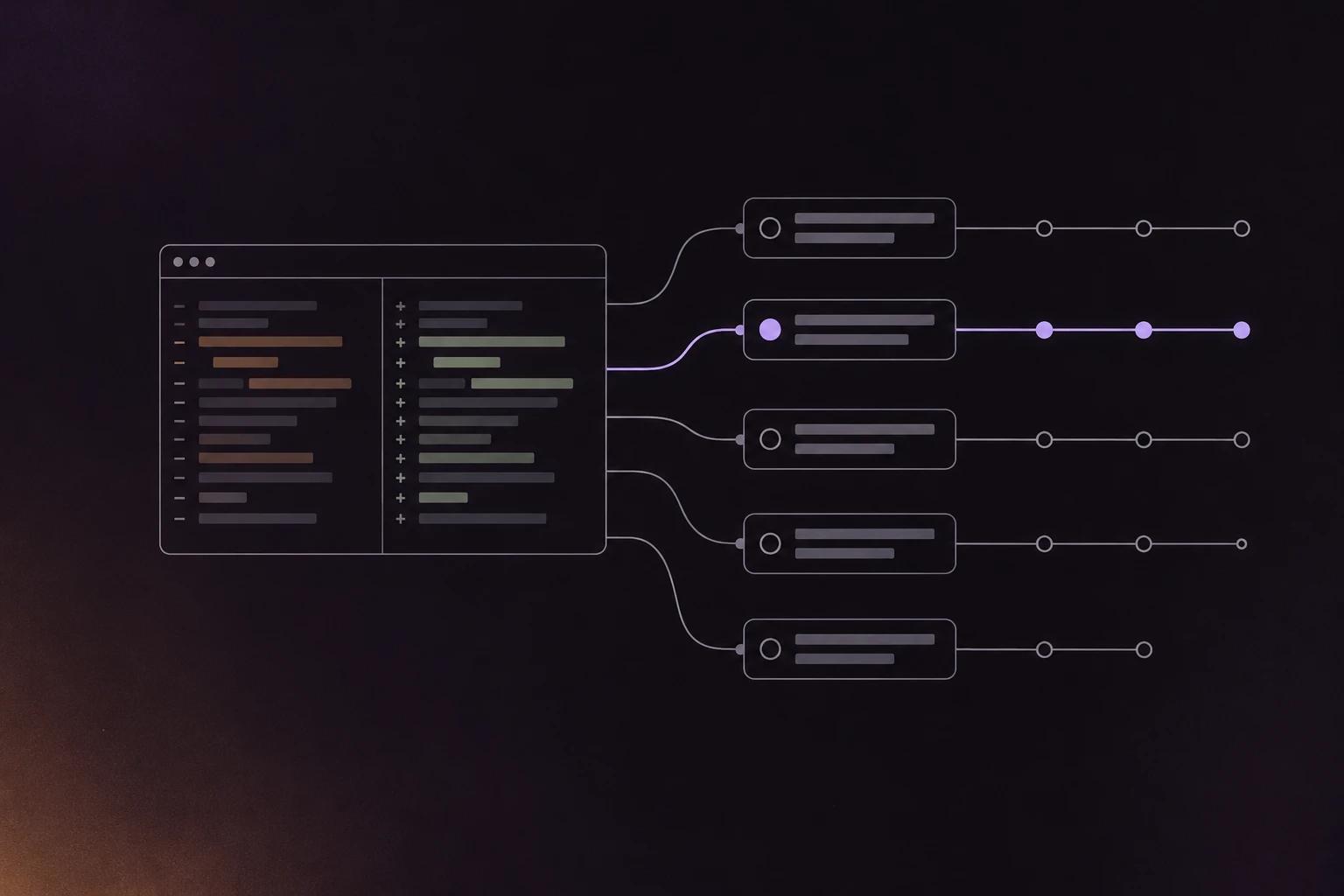
Greptile builds a graph of every function, class and dependency when you connect a repository, then reviews each pull request against it (docs, 15 November 2026). That is why a comment can name a caller far from the diff. The question for an alternative is where the context comes from.
| Tool | Where its context comes from | Cost per review |
|---|---|---|
| Greptile | Graph index of the repository | $1 Base, $3 Plus, $10 Apex |
| repowise | Import and call graph plus git history (churn, co-change, ownership, file health) | Signals free; AI review about 15 cents on average |
| CodeRabbit | Diff plus linked repos, learnings and integrations | Seat: $24 to $72 a developer a month, annual |
| Qodo | Multi-repo context engine on Pro Team | About $2.14 (2,000 credits for about 14 reviews) |
| Cursor Bugbot | Diff, team rules and .cursor/BUGBOT.md | $1.00 to $1.50 a run on average |
| GitHub Copilot code review | Repository instructions and files it reads | About $1.50 on Balanced |
| Claude Code Review | Multi-agent pass with verification | About $15 to $25 (Anthropic estimate) |
Scroll the table sideways to see every column.
Sources, 15 November 2026: CodeRabbit, Qodo, Bugbot docs, Copilot docs, Claude Code Review launch post, repowise pricing.
repowise: a graph and git history, free on every PR
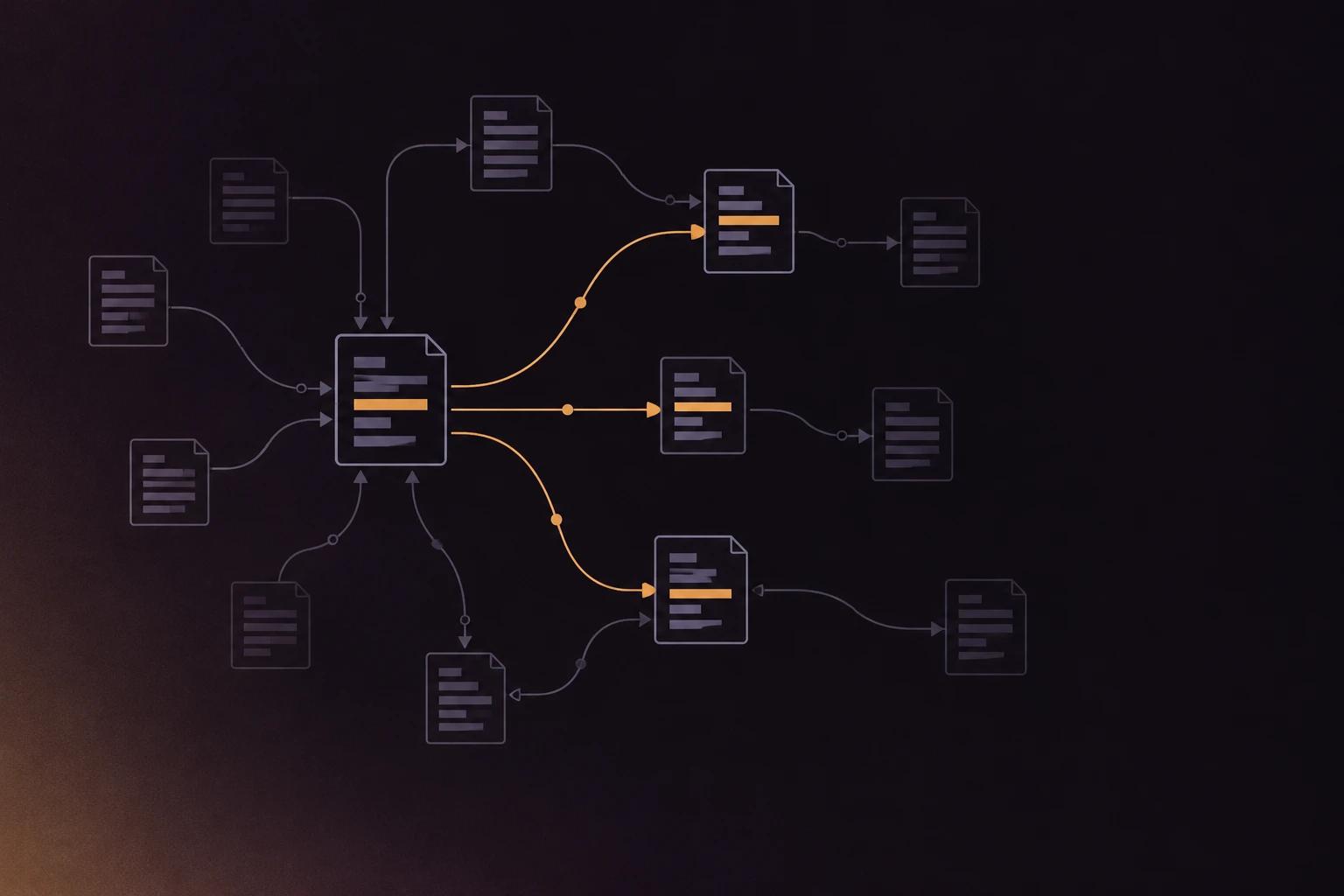
repowise gives a pull request what its graph and history say about the change, with no model call in the default mode. The Signals comment lists callers the change breaks, files that usually change with it but are missing from the PR, and tests to run first. The same diff gets the same comment every time, which makes it easy to trust and to gate on.
Greptile's index answers "what does this code connect to". repowise adds the history side: which files co-change, who owns them, and how healthy the changed files are. In 195 popular public repositories, the least-healthy 20% of files held 60% of bug-fixed files in the median repo (state of code health 2026), so file risk is a useful reviewer input.
AI review is optional at about 15 cents a pull request on average, capped at 60 cents a PR by default, with no seat fee. A deep review runs once when change risk, breaking callers or size call for it, and /repowise review deep forces it. Each comment links to a public per-PR page. The bot is a GitHub App, and the open-source engine's CI gates also run on GitLab and other CI.
Pick it if you want graph and history context at the lowest cost per review. See PR bot and repowise vs Greptile.
CodeRabbit: the flat-bill alternative
CodeRabbit charges per developer, so the bill follows headcount instead of review depth. Essentials is $24 a developer a month billed annually ($30 monthly), Team $48 and Advanced $72, and public repositories are reviewed free (coderabbit.ai/pricing). Its pricing page names GitHub and GitLab. Compare the two in Greptile vs CodeRabbit; the broader switch guide is CodeRabbit alternatives.
Pick it if each developer opens many PRs and finance wants one predictable number.
Qodo, Bugbot and Copilot: the host and ecosystem picks
Qodo is the broadest host list: GitHub, GitLab, Bitbucket and Azure DevOps on Pro Team, at $0.015 a credit with a 14-day trial and no permanent free tier. Cursor Bugbot covers the same four hosts and can start a Cloud Agent to fix what it finds. GitHub Copilot code review draws on credits you already have if you pay for Copilot, and does not exist on Copilot Free. Details: Qodo pricing, Bugbot pricing, Copilot code review cost.
Pick them if your host is Bitbucket or Azure DevOps (Qodo, Bugbot), your team is in Cursor (Bugbot), or Copilot is already approved.
Claude Code Review: the deepest pass
Claude Code Review is a managed multi-agent reviewer for GitHub repositories on Claude Team and Enterprise plans, averaging $15 to $25 a review per Anthropic's launch post. It bills on token usage through usage credits, separately from the plan, and a repository added from the admin page reviews after every push by default, so cost multiplies by the number of pushes (cost docs). See Claude Code Review pricing.
Pick it if you point it at the few PRs that can hurt production and budget for it.
Which Greptile alternative fits your repo?
Large monorepo with deep call chains: start with repowise Signals for the graph evidence and add Greptile or Claude Code Review on the highest-risk PRs. Small team on a tight budget: repowise or Greptile Starter. Self-hosted or air-gapped: Greptile Enterprise (Docker Compose, Kubernetes, air-gapped) or Qodo Enterprise. For the full list of reviewers see best AI code review tools, and for monthly cost at your team size use AI code review pricing compared.
FAQ
- What is the best alternative to Greptile?
- For graph and history context at the lowest cost, repowise. For a flat per-seat bill, CodeRabbit. For Bitbucket or Azure DevOps, Qodo or Cursor Bugbot. Prices checked 15 November 2026.
- Is there a free alternative to Greptile?
- Yes. The repowise PR bot's Signals mode is free on every repository. CodeRabbit and Sourcery review public repositories free, and Greptile itself has a free Starter plan for one developer with 50 credits a month.
- How much does Greptile cost compared with the alternatives?
- Greptile Pro is $1 a credit, so a Base review is $1 and an Apex review $10. CodeRabbit is $24 to $72 per developer a month, Bugbot averages $1.00 to $1.50 a run, and repowise AI review averages about 15 cents a pull request.
- Does Greptile support GitLab and Bitbucket?
- Yes. Greptile's docs list GitHub (Cloud, Enterprise Server and Enterprise Cloud), GitLab (Cloud and Self-Managed), Bitbucket (Cloud and Data Center) and Gitea, and on-premises Greptile adds Perforce.
- Can I self-host a Greptile alternative?
- Qodo Enterprise offers single-tenant SaaS or on-prem, and CodeRabbit lists self-hosting on Enterprise. The repowise engine is open source under AGPL-3.0 and its CI gates run in your own pipeline.